
Podiatry care for
heel and foot pain
Heel and foot pain can affect every step you take.
Early assessment and targeted treatment can relieve discomfort,
address the underlying cause and help you get back to walking,
working and enjoying life without pain.
Arrange a foot check →
expert care. Better outcomes
Why it
matters
Your feet are the foundation of every step you take. When pain develops in your heel or foot, even simple everyday activities such as walking, exercising, working or standing for long periods can become uncomfortable and frustrating.
Heel and foot pain can have many causes, including plantar fasciitis, tendon injuries, arthritis, nerve irritation, stress fractures and biomechanical problems. While the symptoms may seem similar, effective treatment depends on identifying the underlying cause.
Ignoring foot pain can lead to changes in the way you walk, placing extra strain on your ankles, knees, hips and lower back. Early assessment and treatment can not only relieve pain but also prevent further problems, helping you return to the activities you enjoy with greater comfort and confidence.
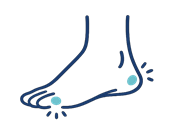
Common causes
Heel and foot pain can be caused by plantar fasciitis, tendon injuries, arthritis, nerve irritation or changes in the way your feet function.
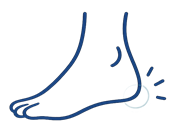
Common symptoms
Pain, stiffness, swelling or discomfort when walking, standing or exercising are all signs that should be professionally assessed.

Daily impact
Untreated foot pain can affect your mobility, work, exercise and even place extra strain on your knees, hips and lower back.
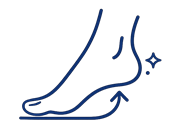
Early treatment
Prompt diagnosis and the right treatment can relieve pain sooner, improve recovery and help prevent long-term problems.
Understanding heel and foot pain
Heel pain
The heel absorbs significant force every time your foot strikes the ground. Pain may develop underneath the heel, around the back of the heel or within the surrounding soft tissues.
Two of the most common causes are:
- Plantar fasciitis – pain beneath the heel, often worse with the first steps after rest
- Achilles tendinopathy – pain and stiffness at the back of the heel or lower leg
Other possible causes include bursitis, Haglund’s deformity, heel spurs, nerve irritation, stress fractures, rheumatoid arthritis and injuries to the Achilles tendon.
Pain in the forefoot
Pain in the ball of the foot can make walking, standing and exercising difficult. The forefoot carries a considerable amount of pressure, particularly during movement, and discomfort may develop when this pressure is not distributed effectively.
Common causes of forefoot pain include:
- Sesamoiditis
- Capsulitis
- Bursitis
- Morton’s neuroma
- Stress fractures
A professional assessment can help identify exactly which structures are affected and why the pain has developed.
Arrange a foot check →
How we help
Assess
We carry out a detailed assessment to identify the exact cause of your heel or foot pain. This includes discussing your symptoms, examining your feet and assessing the way you stand and walk to build a clear diagnosis.
Treat
Your treatment plan is tailored to your individual needs and may include hands-on therapy, footwear advice, stretching and strengthening exercises, padding, orthoses or other evidence-based treatments designed to relieve pain and improve function.
Protect
Once your symptoms begin to improve, we focus on preventing the problem from returning. This may include advice on footwear, activity modification, rehabilitation exercises and long-term foot support.
Review
We'll monitor your progress and adjust your treatment as required, ensuring your recovery stays on track and helping you return safely to work, sport and everyday activities with confidence.
Have you got questions about your heel and foot pain?
Call us, we're here to help:
Questions patients
often ask
What causes heel pain?
Heel pain can have many causes, including plantar fasciitis, Achilles tendinopathy, heel spurs, bursitis, stress fractures and arthritis. A professional assessment is the best way to identify the underlying cause and ensure the correct treatment.
What causes pain in the ball of the foot?
Pain in the ball of the foot, known as forefoot pain, may be caused by conditions such as Morton's neuroma, capsulitis, bursitis, sesamoiditis or stress fractures. Treatment depends on the specific diagnosis and the way your foot functions.
When should I see a podiatrist for foot or heel pain?
Contact a podiatrist promptly if you experience:
- Severe pain or swelling around the heel
- Difficulty walking normally or rising onto your toes
- An inability to point your foot downwards
- Heel pain accompanied by numbness, tingling or fever
- Severe pain immediately following an injury
Sudden pain, a snapping sensation or loss of function may indicate a more serious injury and should not be ignored.
Can I manage pain at home?
For mild, recent discomfort, simple measures may help while you arrange an assessment:
- Rest from activities that aggravate the pain
- Apply a wrapped ice pack for short periods
- Use compression where appropriate
- Elevate the foot if swelling is present
- Wear supportive, well-fitting footwear
- Speak to a pharmacist or healthcare professional about suitable pain relief
Self-care may ease symptoms, but persistent or recurring pain should be assessed so that the underlying cause can be treated rather than simply masked.
Can heel pain go away on its own?
Some mild cases improve with rest and supportive footwear, but persistent heel pain often requires professional assessment. Without treating the underlying cause, symptoms may continue or return, making recovery more difficult.
What treatments are available for heel and foot pain?
Treatment depends on the cause of your symptoms but may include hands-on therapy, stretching and strengthening exercises, footwear advice, padding, orthoses and rehabilitation programmes. At Sevenoaks Podiatry, every treatment plan is tailored to your individual needs.