
Podiatry care for
knee pain
Knee pain can affect every step you take.
Whether your knee pain has developed gradually or started
after an injury, understanding the cause is the first step towards
recovery.
Our experienced team will assess how your feet, walking pattern
and lower-limb biomechanics may be contributing to your symptoms,
helping you move with greater comfort and confidence.
expert care. Better outcomes
Did you know?
Knee pain isn't always caused by damage within the knee itself.
The way your feet move and the way you walk can place extra stress on the knee joint.
Identifying biomechanical problems early can often reduce strain on the knee and improve the way you move.
Why it
matters
Your knees absorb significant forces every day, whether you're walking, running, climbing stairs or simply standing. Because they work closely with your feet, ankles and hips, even small changes in the way you move can place extra stress on the knee joint.
Knee pain can develop for many reasons, including overuse, sports injuries, arthritis, tendon problems, ligament injuries or poor lower-limb alignment. In some cases, abnormal foot mechanics can increase strain on the knee and contribute to ongoing discomfort.
At Sevenoaks Podiatry, we look beyond the knee itself. By assessing your gait, foot function and overall biomechanics, we can identify contributing factors and create a treatment plan that supports long-term recovery rather than simply masking the pain.
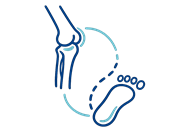
Common causes
Knee pain may result from overuse, sports injuries, arthritis, tendon irritation, ligament sprains, cartilage problems or poor lower-limb biomechanics.
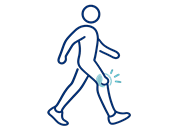
Common symptoms
Pain around or behind the knee, swelling, stiffness, clicking, instability or discomfort when walking, running, kneeling or climbing stairs.
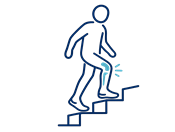
Daily impact
Knee pain can make exercise, work, hobbies and even everyday tasks such as walking the dog or climbing stairs increasingly difficult.

Early treatment
Early assessment can reduce pain, improve movement, prevent further injury and help you return to your normal activities more quickly.
Supporting your
recovery
Knee pain is often influenced by the way your entire lower limb functions. Changes in foot posture, walking mechanics or muscle balance can all increase the forces passing through the knee joint, leading to irritation over time.
At Sevenoaks Podiatry, we carry out a comprehensive biomechanical assessment to understand how your feet, ankles and gait may be affecting your knee. By identifying the underlying cause, we can recommend treatments that target the problem rather than simply relieving the symptoms.
Your personalised treatment may include gait analysis, footwear advice, custom orthoses, rehabilitation exercises and practical lifestyle guidance to improve movement and reduce unnecessary stress on the knee.
Whether you're recovering from a sporting injury or simply want to enjoy everyday activities without discomfort, we're here to help you move with confidence again.
How we help
Assess
We carefully assess your symptoms, gait, foot posture and lower-limb biomechanics to identify the underlying cause of your knee pain.
Treat
Treatment may include gait analysis, orthotic therapy, footwear advice, rehabilitation exercises and practical strategies to reduce pressure on the knee.
Protect
By improving foot function and movement patterns, we help reduce unnecessary strain on the knee and lower the risk of recurring problems.
Review
Your progress is reviewed regularly, allowing us to adjust your treatment and support your recovery as your mobility improves.
Have you got questions about your knee pain?
Call us, we're here to help:
Questions patients
often ask
Can foot problems cause knee pain?
Yes. Your feet are the foundation of your body's movement. Poor foot mechanics, over-pronation or unsuitable footwear can alter the way you walk and increase stress on the knees.
Can orthotics help knee pain?
For many people, yes. If your knee pain is related to abnormal foot function or poor biomechanics, custom orthoses can improve alignment and reduce strain on the knee joint.
Why does my knee hurt when I climb stairs?
Pain when climbing or descending stairs is commonly associated with patellofemoral pain syndrome, tendon irritation or early arthritis, although several conditions can cause similar symptoms.
Should I keep exercising if I have knee pain?
This depends on the cause of your pain. In many cases, reducing high-impact activities while following an appropriate rehabilitation programme is more beneficial than complete rest.
How do you assess knee pain?
We assess how you walk, examine your foot posture, joint movement and biomechanics, and discuss your symptoms and activity levels to identify contributing factors.
When should I seek treatment for knee pain?
If your knee pain persists, is getting worse, causes swelling or instability, or is stopping you from enjoying everyday activities or exercise, it's advisable to arrange a professional assessment.