
Podiatry care for
great toe pain
Great toe pain can affect every step you take.
Your big toe plays a vital role in balance and movement.
When pain develops, even simple activities such as walking,
climbing stairs or exercising can become uncomfortable.
Our experienced team can identify the underlying cause
and provide effective treatment to help you move more
comfortably again.
expert care. Better outcomes
Did you know?
Your big toe carries up to 90% of your body weight as you push off during walking.
Even a small loss of movement or alignment can affect the way you walk, leading to pain in your foot, ankle, knee or hip.
Identifying the problem early can help prevent further strain elsewhere in your body.
Why it
matters
The great toe is responsible for helping you push off as you walk, run and climb stairs. Because it bears significant pressure throughout the day, even minor problems can have a noticeable impact on your mobility.
Great toe pain can be caused by arthritis, bunions (Hallux Valgus), Hallux Limitus, Hallux Rigidus, sesamoid injuries, gout or changes in foot biomechanics. Left untreated, these conditions can alter the way you walk and place additional strain on other joints in the foot and lower limb.
At Sevenoaks Podiatry, we assess how your feet function, how your joints move and how your walking pattern may be contributing to your symptoms. By treating the underlying cause rather than simply relieving the pain, we aim to restore comfortable movement and help prevent further problems.
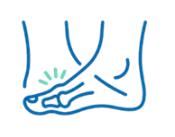
Common causes
Great toe pain may be caused by arthritis, bunions, Hallux Limitus, Hallux Rigidus, sesamoid injuries, gout or poor foot biomechanics.
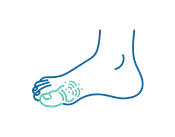
Common symptoms
Pain, stiffness, swelling, reduced movement, difficulty bending the toe and discomfort when walking or wearing shoes.
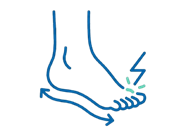
Daily impact
Great toe pain can make walking, running, exercising and even standing for long periods uncomfortable, affecting both mobility and balance.
Early treatment
Early treatment can reduce pain, improve joint movement and help slow the progression of conditions affecting the great toe.
Supporting your
recovery
The big toe is one of the hardest-working joints in the body, helping to propel you forward with every step. When its movement becomes restricted or painful, other parts of the foot often compensate, leading to additional strain elsewhere.
At Sevenoaks Podiatry, we carry out a thorough assessment to understand how your foot structure, joint movement and gait may be contributing to your symptoms. By identifying the underlying cause, we can create a personalised treatment plan that focuses on improving function as well as relieving pain.
Treatment may include gait analysis, footwear advice, custom orthoses, exercises to improve joint mobility, pressure-relieving techniques and practical lifestyle guidance. Our aim is to help you remain active, comfortable and confident on your feet.
How we help
Assess
We assess your symptoms, joint movement, foot posture, gait and biomechanics to determine the cause of your great toe pain.
Treat
Treatment may include gait analysis, orthotic therapy, footwear advice, exercises to improve mobility and pressure-relieving techniques tailored to your condition.
Protect
We help reduce unnecessary stress on the great toe by improving foot function, recommending suitable footwear and providing long-term management advice.
Review
Your progress is reviewed regularly, allowing us to monitor your recovery, adapt your treatment and help you maintain comfortable movement.
Have you got questions about your great toe pain?
Call us, we're here to help:
Questions patients
often ask
What causes pain in the big toe?
Great toe pain can be caused by arthritis, bunions (Hallux Valgus), Hallux Limitus, Hallux Rigidus, sesamoid injuries, gout or changes in foot biomechanics.
What is Hallux Limitus?
Hallux Limitus is a condition where movement at the base of the big toe becomes restricted, often due to arthritis or repeated stress. It can make walking and pushing off during each step uncomfortable.
What is the difference between Hallux Limitus and Hallux Rigidus?
Hallux Limitus describes reduced movement of the big toe joint, while Hallux Rigidus is a more advanced stage where movement becomes severely restricted or completely lost.
Can orthotics help great toe pain?
Yes. Custom orthoses can improve foot function, reduce excessive pressure on the big toe joint and help relieve pain associated with arthritis, bunions and other biomechanical conditions.
What is a bunion?
A bunion (Hallux Valgus) is a bony prominence that develops at the base of the big toe, causing the toe to gradually drift towards the smaller toes. It can lead to pain, swelling and difficulty finding comfortable footwear.
When should I seek treatment for great toe pain?
If your great toe pain is persistent, worsening, affecting your walking or making it difficult to wear normal footwear, it's advisable to have it professionally assessed so that treatment can begin before the problem progresses.