
Podiatry care for
hip pain
Hip pain can make even simple movements uncomfortable.
Whether your pain has developed gradually or started after an injury,
identifying the underlying cause is the first step towards lasting relief.
Early assessment and personalised treatment can help reduce pain,
restore movement and get you back to enjoying everyday life.
expert care. Better outcomes
Did you know?
Hip pain isn't always caused by a problem in the hip itself.
Changes in the way your feet function or the way you walk can alter the movement of your knees, hips and lower back.
Assessing your biomechanics helps us identify the true cause of your pain.
Why it
matters
Your hips play a vital role in almost every movement you make. They support your body when you stand, walk, climb stairs, exercise and even when you're sitting down. When pain develops, it can quickly affect your mobility, confidence and overall quality of life.
Hip pain is often caused by overuse, changes in the way you walk, sports injuries or age-related wear and tear. In some cases, problems with your feet or lower limbs can place additional strain on the hips, contributing to discomfort over time.
At Sevenoaks Podiatry, we look beyond the area of pain to understand how your feet, gait and biomechanics may be affecting your hips. By treating the underlying cause rather than simply the symptoms, we aim to provide long-term relief and help prevent recurring problems.
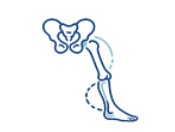
Common causes
Hip pain may be linked to overuse, tendon injuries, bursitis, arthritis, stress fractures or poor biomechanics affecting the way you walk.
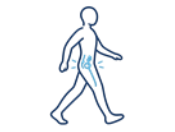
Common symptoms
Pain in the hip, groin or outer thigh, stiffness, reduced movement or discomfort when walking, climbing stairs or exercising.
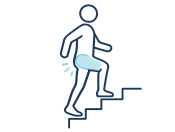
Daily impact
Hip pain can affect walking, sleep, work, sport and everyday activities, often leading to reduced mobility and changes in posture.

Early treatment
Early diagnosis can reduce pain, improve movement and help prevent long-term joint and muscle problems.
Supporting your
recovery
Hip pain rarely has a single cause. It often develops gradually as muscles, tendons and joints become overloaded, or as the body adapts to changes elsewhere in the lower limbs.
At Sevenoaks Podiatry, we take time to understand how your feet, walking pattern and overall biomechanics may be contributing to your symptoms. Following a detailed assessment, we'll develop a personalised treatment plan designed to relieve pain, improve movement and reduce unnecessary strain on your hips.
Depending on your needs, treatment may include gait analysis, footwear advice, orthotic therapy, rehabilitation exercises and practical guidance to support your recovery. Our aim is not only to ease your current symptoms but also to help prevent the pain from returning.
Whether you want to enjoy longer walks, return to sport or simply move more comfortably throughout the day, we're here to help you take the next step with confidence.
How we help
Assess
We begin with a detailed assessment of your symptoms, movement, gait and lower-limb biomechanics to understand what may be contributing to your hip pain.
Treat
Your treatment plan may include footwear advice, orthoses, rehabilitation exercises, gait correction and practical changes to reduce strain through the hip.
Protect
We help you make adjustments that support recovery, improve movement and reduce the risk of the problem returning.
Review
Your progress is monitored and your treatment plan adapted as needed, helping you return to everyday activity with greater comfort and confidence.
Have you got questions about your hip pain?
Call us, we're here to help:
Questions patients
often ask
Can problems with my feet cause hip pain?
Yes. The way your feet move can influence your knees, hips and lower back. Poor foot function, unsuitable footwear or an altered walking pattern may place additional strain on the hip.
Why does my hip hurt when I walk?
Pain while walking may be linked to joint irritation, muscle or tendon overload, bursitis, arthritis or changes in your gait. A full assessment can help identify the likely cause.
Can orthotics help with hip pain?
Orthotics may help when hip pain is being aggravated by poor foot mechanics or an uneven walking pattern. They can improve support and reduce unnecessary strain through the lower limbs.
Should I stop exercising if I have hip pain?
Not always. Complete rest may not be necessary, but you may need to temporarily reduce or modify activities that aggravate your symptoms. The right advice will depend on the cause and severity of your pain.
What is the difference between hip bursitis and tendonitis?
Bursitis involves irritation of a fluid-filled sac around the hip, while tendonitis affects a tendon. Both can cause pain around the outer hip and may feel very similar without a professional assessment.
When should I seek help for hip pain?
You should arrange an assessment if the pain is persistent, worsening, affecting your walking or sleep, or preventing you from carrying out normal daily activities. Sudden severe pain or an inability to bear weight should be assessed urgently.