
Podiatry care for
shin pain
Shin pain doesn't have to stop you in your tracks.
Whether you're a runner, walker or simply noticing pain during
everyday activities, shin pain can quickly become frustrating
and limit your mobility.
Understanding the cause early can help relieve symptoms, prevent
further injury and get you moving comfortably again.
expert care. Better outcomes
Did you know?
Shin pain isn't always caused by overtraining.
The way your feet absorb impact and the way you run or walk can place repeated stress on the muscles and tissues along the shin.
Identifying these biomechanical factors early can help prevent shin splints from becoming a long-term problem.
Why it
matters
Pain along the front or inside of the shin is a common complaint, particularly among runners and people who have recently increased their activity levels. Although often referred to as shin splints, several different conditions can cause shin pain, making an accurate assessment important.
Factors such as over-training, poor footwear, flat feet, muscle tightness and changes in running technique can all place extra stress on the lower leg. Left untreated, persistent shin pain may worsen and interfere with work, exercise and everyday activities.
At Sevenoaks Podiatry, we assess the way your feet move, how you walk or run, and the biomechanics of your lower limbs to identify the underlying cause. By treating the source of the problem rather than simply managing the symptoms, we aim to help you recover safely and reduce the risk of future injuries.
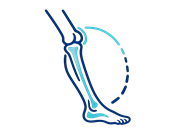
Common causes
Shin pain is commonly caused by overuse, shin splints, poor biomechanics, flat feet, muscle tightness, unsuitable footwear or sudden increases in activity.

Common symptoms
Pain along the inside or front of the shin, tenderness, swelling and discomfort during or after walking, running or exercise.
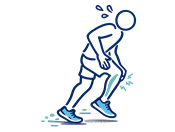
Daily impact
Shin pain can make running, walking, climbing stairs and sporting activities uncomfortable, often limiting your ability to stay active.
Early treatment
Early treatment can reduce inflammation, improve movement, prevent more serious injuries such as stress fractures and help you return to activity more quickly.
Supporting your
recovery
Shin pain often develops gradually as repeated stress places excessive strain on the muscles, tendons and bone of the lower leg. While the discomfort may begin during exercise, it can eventually affect everyday walking if left untreated.
At Sevenoaks Podiatry, we carry out a comprehensive assessment to understand how your foot function, gait and biomechanics may be contributing to your symptoms. We don't just look at where it hurts, we identify why it's happening.
Your personalised treatment plan may include gait analysis, footwear advice, orthotic therapy, stretching and strengthening exercises, activity modification and rehabilitation guidance. Our goal is to reduce pain, improve performance and help prevent the problem from returning.
Whether you're training for an event, enjoying regular exercise or simply want to walk without discomfort, we're here to help you get back to doing what you enjoy.
How we help
Assess
We carry out a detailed assessment of your symptoms, walking or running pattern, footwear and lower-limb biomechanics to identify the cause of your shin pain.
Treat
Treatment may include gait analysis, orthotic therapy, footwear advice, stretching programmes and rehabilitation exercises tailored to your needs.
Protect
We help reduce unnecessary stress on your lower legs by improving biomechanics, recommending appropriate footwear and advising on a safe return to activity.
Review
We monitor your recovery, adjust your treatment where necessary and provide ongoing support to help prevent shin pain from returning.
Have you got questions about your shin pain?
Call us, we're here to help:
Questions patients
often ask
What are shin splints?
Shin splints, also known as medial tibial stress syndrome, are one of the most common causes of shin pain. They occur when repeated stress causes inflammation of the muscles, tendons and tissues attached to the shinbone.
Can flat feet cause shin pain?
Yes. Flat feet or excessive pronation can increase stress through the lower leg, making shin pain more likely, particularly during running or prolonged walking.
Should I stop running if I have shin pain?
If running is causing pain, it's usually advisable to reduce or temporarily stop until you've been assessed. Continuing to run through significant pain can increase the risk of more serious injuries, including stress fractures.
Can orthotics help shin splints?
Yes. Where poor foot mechanics are contributing to shin pain, custom orthoses can improve foot function, reduce excessive strain and support recovery.
How long does shin pain take to recover?
Recovery depends on the underlying cause and how early treatment begins. Mild cases may settle within a few weeks, while more persistent problems can take longer without appropriate management.
When should I seek professional advice?
If your shin pain is persistent, worsening, causing swelling or making it difficult to walk or exercise, it's important to have it assessed. Early diagnosis can help prevent more serious injuries and speed up recovery.